From Fabric Selection to Finished Interiors: Choosing Sofa Covers and Bedding That Complement Each Other
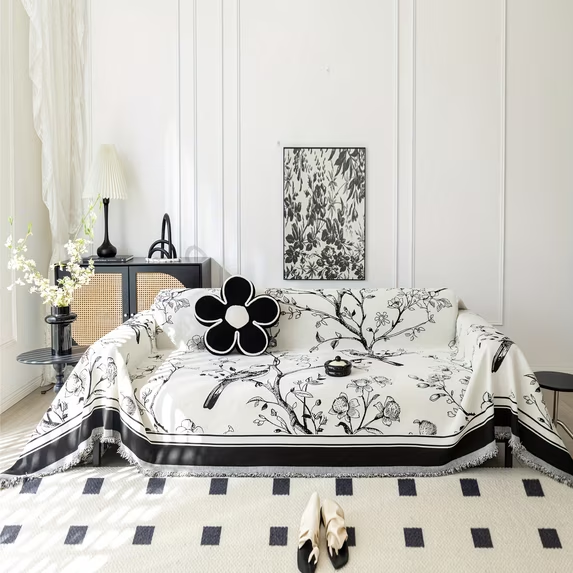
A fabric sample may feel wonderfully soft and look sophisticated, but still be inappropriate for the furnishing you have in mind. After the fabric is shaped around a sofa, constructed as a cover or used for bedding, its behaviour can change considerably. The weight influences how the fabric hangs, the surface responds differently to changing light, and its construction plays a role in how easily it can be cared for.
Deciding on a sofa cover, sofa panel or bed cover consequently goes beyond selecting an attractive colour. The essential consideration is how the finished piece needs to behave in everyday situations. A room that accommodates regular family gatherings places different demands on furnishings from those of a bedroom used largely when guests stay over.
Thinking carefully about these ordinary patterns of use helps you assess holland velvet, mosha velvet, quilting and embroidery more effectively rather than judging each option purely by its looks. It can also stop minor sampling choices from developing into costly issues when the final products arrive.
Start by Understanding How the Room Is Used
Before you begin comparing fabrics, identify how each furnishing is likely to be used. A sofa occupied for an hour of evening reading faces different demands than a sofa that sees frequent use from morning until evening. Regular movement, pets, food and exposure to direct sunlight can change which fabric properties matter most in the selection process.
When choosing a sofa cover, determine whether it is intended mainly to protect the furniture, a decorative update or a removable covering for occasional use. While several goals may apply, one commonly determines the main requirements. A cover intended for protection requires reliable coverage and secure placement, while a decorative piece used infrequently might place more value on how it hangs.
For bedroom furnishings, consider the visual presentation of the made bed separately from the comfort someone needs during sleep. A bed cover may serve chiefly to create a neat-looking surface, but a comforter is commonly used to provide insulating warmth. Understanding which function is most important reduces the chance of choosing unnecessary weight or difficult bedding arrangements.
Express these requirements in clear, practical terms. The description “easy to remove and dry” is more informative than the vague phrase “premium quality” because it refers to a characteristic that can actually be tested.
Assess More Than Colour When Examining Fabric Samples
A little fabric sample allows you to assess how the material feels, yet it cannot represent every aspect of the final product. Hold the sample vertically, spread it flat and bend it around a curved surface. These straightforward movements can show whether the fabric drapes gently, retains its shape or gathers into heavy folds.
Examine the fabric face as well as its backing. Its reverse construction can affect structural stability, overall thickness and ease of stitching. A pleasant-feeling fabric face does not guarantee compatibility with all sewing methods, most notably where different layers meet along seams and at corners.
While reviewing holland velvet, focus on the precise material offered without assuming the product name establishes fixed material characteristics. Different products can have different fibres, backing materials, pile characteristics and finishes. Use an equally detailed assessment for mosha velvet, using both its stated specifications and the supplied sample.
Compare fabric samples in the lighting conditions of the intended room. Natural light from windows and artificial evening lighting may expose different undertones. A neutral fabric that appears invitingly warm as a small swatch might appear noticeably cooler when placed next to the room's furniture or floor.
Make Directional Surfaces Part of the Design
Velvet can look lighter or darker depending on the direction from which it is viewed. Such differences can become especially noticeable between adjacent panels, as cutting pieces in different directions may create an accidental patchwork appearance even if every section comes from the same fabric roll.
For a sofa panel design, determine how the pile should run before any fabric is cut. Every visible panel should follow a consistent and intentional approach. When the design deliberately includes contrasting surface directions, the approved sample should make that decision clearly visible.
This principle also applies when working with removable cushions or standalone covers. Sections that appear uniform when laid flat may take on a different appearance once positioned vertically against the backrest compared with how they look when placed across a seat.
Test the material using the kinds of handling it will encounter. Soft brushing and slight pressure may produce temporary changes in the visible pile. Find out what surface behaviour is normal and which care method is recommended. Having accurate expectations about changes in the pile's appearance helps distinguish expected visual changes from actual production faults.
Choose Sofa Cover Fit Based on Dimensions and Everyday Movement
A sofa does not behave like a completely rigid box. Cushions flatten under weight, occupants shift around and armrests affect how the fabric sits. Taking only the sofa's overall height and width can leave essential fitting requirements unaccounted for.
Note the depth of the seat, backrest height, arm design and positioning of the cushions. Determine which cushions remain fixed and which can be removed, and identify any sections of the furniture that move. The cover should permit these sections to move without restriction rather than stretching tightly across their connecting points.
Consider how the extra fabric will be distributed. Insufficient allowance may create strain at the corners, while excessive allowance can gather in folds or slip towards the front. Measurement requirements change when producing a tailored covering than when preparing a loosely draped cover.
If practical, arrange a sample fit before final approval, and sit and stand several times afterwards. Check if the cover moves, leaves the seating exposed or develops raised folds that feel uncomfortable. This hands-on check can expose practical shortcomings that are difficult to notice in a posed photograph.
Removal and replacement deserve attention too. A covering that sits attractively yet proves difficult to replace may be impractical when regular cleaning is necessary.
Select Quilting for Its Construction and Appearance
The quilting process secures layers of material together through stitched lines, producing a surface that can provide texture, body and a distinctive pattern rhythm. The outcome depends on the outer fabric, filling, backing, stitching arrangement and workmanship.
A fine, regularly repeated stitching pattern can create a different feel from broader stitch spacing. Nevertheless, visual appeal by itself cannot confirm softness, insulation or long-term durability. Test a representative sample containing the face, filling and backing because an identical stitching pattern may perform differently with a changed filling or backing.
In a quilted sofa cover, consider whether the layers can follow the sofa's arms and seating contours comfortably. Excessive bulk can create problems when positioning the cover, most notably around narrow areas used for securing or tucking the cover.
With bedding, examine how well flexibility and shape are balanced. The bed cover needs to fall correctly along the sides of the mattress and should not be excessively awkward when folded or stored.
Check the reverse surface with the same care as the front. Uneven stitching tension, loose thread ends and unwanted puckering can indicate issues that appear more obvious when repeated across a broad surface. The appeal of a stitching pattern matters only when it is supported by reliable, consistent construction.
Understand What Multi Needle Production Means for the Result
Multi needle machinery can produce repeated stitching designs across layered fabrics. Its practical benefits rely on how effectively the machinery settings, textile layers and chosen design work together. Simply using this production method does not guarantee a particular finished quality.
As you review a sample, determine whether the recurring design remains correctly spaced and aligned. Look closely for absent stitches, variations in tension and sections showing movement between layers. Checking these features is more informative compared with relying simply on the stated type of machine.
Cutting the textile into separate components makes the location of the design important. A stitch design that looks proportionate across a wide, uncut fabric length could look unbalanced on a narrow sofa panel or along the border of a bed cover. The cutting plan should take the visible position and continuation of the repeated design into consideration.
With larger orders, base approval on a finished sample that represents the intended item rather than relying solely on a stitched swatch that has not been cut. Make sure the finished sample includes the intended borders and seam construction, as these details may contribute additional thickness or influence the final measurements.
Choose Embroidery Placement That Supports Everyday Comfort
Embroidery uses thread to add decorative features to a textile surface, but where it is positioned influences both appearance and everyday comfort. Decorative embroidery positioned on a cushion front encounters different kinds of pressure from embroidery located directly beneath someone seated on a sofa.
Assess the amount of stitching and the texture produced by the selected motif. Thickly embroidered sections can create firm areas where they touch a person. With furniture intended for daily seating, choosing a less prominent location outside the usual contact zone can offer a better balance between visual interest and practical comfort.
Examine nearby fabric carefully to identify any distortion caused by the embroidery. Dense threadwork may draw a thin base material towards the centre of the motif when the base and supporting materials are not appropriately matched. When embroidery is applied to pile fabrics, the motif must also remain clearly defined so that the pattern can still be distinguished from the background.
Look at the back of the embroidered area and any protective lining beneath it. Unsecured thread ends and coarse or uneven sections should be addressed before approval.
There is no need to embroider every textile item to achieve a consistent room design. Repeating a decorative pattern on selected pieces rather than every surface may establish a sense of coordination without removing the calm effect of undecorated surfaces.
Balance the Look of Bedding with Its Practical Sleeping Comfort
A bed cover and a comforter can both form part of the same finished bedding arrangement, but each should be evaluated according to the purpose it is meant to serve. Because product names are not always applied consistently, confirm the actual materials and construction rather than trusting the name alone.
When choosing a decorative upper layer, consider dimensions, how it hangs and how much of the mattress it covers. A mattress with greater depth or a desire for extended side coverage may considerably alter the size that should be chosen.
When assessing a holland velvet comforter, examine its filling specification, overall design and maintenance instructions. The amount of warmth provided depends on factors such as the filling material and loft; simply comparing product weights is not a dependable way to judge different comforters.
Think about the person responsible for arranging the bedding and using it overnight. A substantial arrangement of bedding layers can create a full appearance but prove troublesome to rearrange, clean or store. Using numerous decorative coverings may be impractical where they are routinely set aside at bedtime.
Choose a combination suited to the way the bedroom is used each day. The most practical combination continues to offer comfort and ease of handling once the novelty of the original appearance has passed.
Check Cleaning and Maintenance Needs Before Making a Final Choice
Cleaning and maintenance requirements should influence the decision from the outset. Examine the recommended care information for the finished furnishing, since the face material, internal layers, stitched decoration and finishing details can have different care needs from those of a simple, unworked fabric swatch.
When permitted by the maintenance instructions, carry out a trial clean on a representative piece using the cleaning technique intended for the finished product. Following the test, check whether dimensions, colour, fabric feel or stitching have changed. Even modest changes occurring in more than one direction can significantly influence how a closely fitted sofa cover sits.
The drying process deserves just as much consideration. Bulky layered furnishings can be difficult to dry in households with limited room, and some furnishings may be too large for the available household washing machine. Account for these limitations before selecting particularly bulky bedding.
Avoid assuming a protective finish will withstand all liquids and cleaning products. How the material responds will depend on both the applied finish and the substance it encounters.
Store the approved care instructions alongside the product specification. Doing so gives you a reliable source of information whenever cleaning is required while helping prevent unintended damage caused by guesswork.
Confirm the Entire Product Before Producing Matching Pieces
If a number of matching items are required, evaluate the decisions through a representative completed product. Colour, pile direction, sizing, pattern position and edge finishing need to be reviewed as elements of one finished furnishing rather than being approved individually without checking how they work together.
Place the finished example where it will be used and look at it from everyday positions. Try sitting on the covered sofa, folding the bed coverings and checking the finished corners. Such routine movements can provide more practical insight than examining a fabric swatch laid flat for an extended period.
Record the accepted details in precise language, noting dimensions and any permitted variations. Where practical, retain a reference sample, especially when future purchases are expected to match the first order.
The completed sample review can also identify areas where a simpler approach would work better. Removing unnecessary layers or scaling back the decoration can improve everyday practicality while preserving the intended design.
Conclusion
Well-chosen furnishings begin by identifying exactly how they will be used. Evaluate a sofa cover for its fit and behaviour during movement, review velvet through a representative physical swatch, and evaluate quilting and embroidery in relation to the entire finished furnishing. For bedding, connect visual appearance with sleeping comfort and achievable cleaning requirements. These considerations turn a visually pleasing fabric into a practical finished product that continues performing well once the space becomes part of everyday life.
Comments on “What Might Be Next In The comforter”